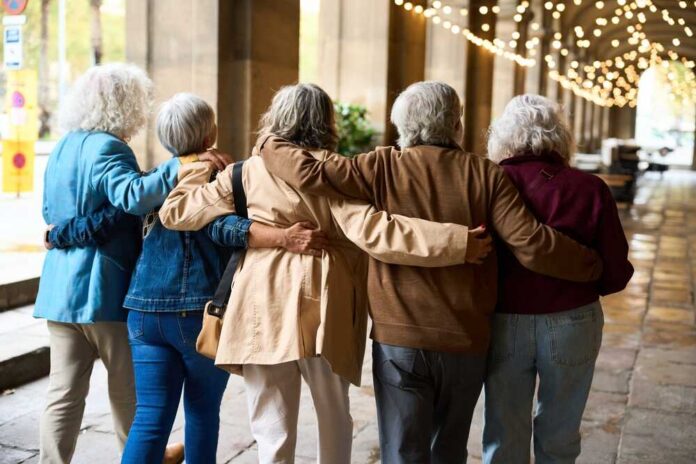
Dancing does not just lift moods; it measurably sharpens balance, strength, and stamina in older adults, and that changes everyday life.
Story Snapshot
- Systematic reviews link dance with gains in strength, endurance, balance, and gait for older adults [2][3].
- Benefits center on functional fitness—standing up, turning, walking steadily—rather than dramatic weight loss or mortality shifts [2][3].
- Consistency and enjoyable styles matter more than perfection; adherence drives outcomes [2][3].
- Claims about sweeping disease prevention need caution; the strongest evidence supports mobility and daily function [2][3].
What the strongest evidence actually shows about dancing and aging
A National Institutes of Health archive review synthesizing 18 studies concluded that dance interventions improved muscular strength, endurance, and balance in older adults, with nearly every included study reporting gains in at least one functional measure [2].
A PubMed-indexed review reported significant improvements in aerobic power, lower-body muscle endurance, flexibility, agility, balance, and gait through dancing [3].
These changes map directly to the challenges people notice after 60: standing from chairs, climbing steps, pivoting safely, and maintaining walking confidence.
You should be dancing, yeah. Moving to music offers all kinds of benefits as you age https://t.co/ZS10aiHl5v
— Local 4 WDIV Detroit (@Local4News) May 26, 2026
Hebrew SeniorLife summarized similar findings for lay readers, highlighting literature linking dance to improved strength, endurance, balance, and even some cognitive function measures [1].
Taken together, this core evidence base supports a practical claim: structured dance sessions—ranging from ballroom to folk to low-impact classes—build the physical capacities most predictive of whether an older adult moves independently through daily life.
Strong legs, stable ankles, and coordinated turns do not trend on social media, but they keep people out of the hospital for preventable falls [1][2][3].
Functional fitness beats hype: where claims go too far
Review authors emphasize functional outcomes rather than sweeping disease cures. The National Institutes of Health archive analysis notes improvements in strength, balance, and cardiovascular endurance but does not show large shifts in body composition, nor does it claim reduced mortality or broad disease remission [2].
The PubMed review similarly focuses on fitness capacities rather than hard endpoints such as heart attacks or dementia incidence [3]. That boundary matters. Evidence-based optimism respects the line between better movement and medical outcomes we cannot yet promise.
Some outlets leap from “better gait and balance” to “prevents disease.” That leap outruns the data. From this lens, stewardship of claims protects trust: celebrate credible wins—fewer stumbles, easier stairs, longer walks—without inflating them into guaranteed protection from complex diseases.
Households plan better when advice stays honest about what dance proves, what it suggests, and what still requires larger trials with clinical endpoints [2][3].
Why dance works when treadmills collect dust
Dance recruits the brain, the vestibular system, and the lower body all at once. Patterns force attention; turns challenge inner-ear balance; music sets a steady cadence that nudges consistent effort. People show up because classes feel social and fun, and adherence makes the difference.
The reviews attribute gains to regular participation in modest, progressive sessions rather than to punishing intensity [2][3].
Sustainable movement that people repeat weekly beats abandoned gym memberships and delivers compounding returns in confidence and coordination.
Medical professionals say that dancing is a great way for older adults to stay healthy as they age because it engages the brain and the body. https://t.co/YfQD0PHfQp
— NBC 7 San Diego (@nbcsandiego) May 26, 2026
Translate that into daily payoffs: getting out of a low car without bracing your hands requires leg strength; carrying groceries on uneven pavement demands balance; rotating to check a blind spot taxes agility. The specific gains documented—strength, endurance, balance, agility, and gait—are the exact ingredients for those tasks [2][3].
When a person trusts their feet again, they leave the house more often, which supports mood and social ties—benefits that community articles often highlight, even as formal trials measure them less consistently [1].
How to pick a style and dose it for real-life results
Choose a form that encourages repeat attendance and safe progression. For joint sensitivity, select low-impact options like line dancing or slow-tempo ballroom. For sharper balance, include controlled turns, side steps, and backward steps under supervision.
Two to three sessions per week, 45 to 60 minutes each, aligns with programs in the reviews that reported gains in strength, endurance, and gait quality [2][3]. Add a brief warm-up and cool-down. The best program is the one you will not skip when the weather or your schedule gets in the way.
Measure what matters. Track time to stand from a chair five times, ability to balance on one foot for 10 seconds, and comfortable walking distance without a rest. If those improve over six to eight weeks, you are harvesting the same wins the literature records.
If they stall, adjust tempo, add light resistance, or try a different class format while keeping safety guardrails in place. Consistency and fit beat novelty every time [2][3].
Bottom line for families and policymakers
Dancing earns its place in community centers, faith halls, and senior clubs because it converts music into mobility. The research case is not that dance is a magic pill; rather, it is a reliable, enjoyable vehicle for the very physical qualities that keep people on their feet and in their homes longer [2][3].
Fund instructors, clear floor space, and measure outcomes that matter—balance, gait, and independence—while researchers continue to test longer-term clinical impacts.
Sources:
[1] Web – The Joy of Movement: Unpacking the Benefits of Dancing for Seniors
[2] Web – The Effectiveness of Dance Interventions to Improve Older Adults …
[3] Web – Physical benefits of dancing for healthy older adults: a review